
Ozonated oils in the treatment of halitosis
Why chronic bad breath almost always starts in the mouth, and how ozone attacks the cause instead of masking it.
Halitosis —chronic bad breath— is one of those problems that affects you more socially than clinically, but that almost always has an identifiable cause. Most of it originates in the mouth, not in the stomach as many people think.
Most common causes
Oral causes (80–90% of cases)
Bacterial buildup on the tongue: the main cause. The anaerobic bacteria that live on the back of the tongue break down food debris and proteins, generating volatile sulfur compounds (VSC) — the ones responsible for the odor.
Periodontal disease: gingivitis and periodontitis add up because bacteria accumulate in the periodontal pockets.
Cavities and defective restorations: they create areas where debris and bacteria get trapped.
Dry mouth (xerostomia): saliva naturally cleans the mouth. When there is little of it, bacteria proliferate.
Oral infections: abscesses, ulcers or oral thrush.
Extraoral causes (10–20% of cases)
- Respiratory diseases (sinusitis, tonsillitis, chronic pharyngitis)
- Gastroesophageal reflux, Helicobacter pylori infection
- Systemic diseases (diabetes, kidney or liver failure)
- Some medications that dry out the mouth
- Habits: smoking, alcohol
How ozonated oils help
Using ozonated oils to address bad breath is based on several proven mechanisms:
Direct antimicrobial action. Ozonated oils reduce the populations of anaerobic bacteria responsible for volatile sulfur compounds — they attack the cause, they do not mask the symptom.
Reduction of gum inflammation. When the gums are inflamed, the environment favors the problematic bacteria. By reducing inflammation, you change the terrain.
Oxygenation of the oral environment. Ozone releases active oxygen, which is exactly what anaerobic bacteria cannot tolerate. It is like shutting off the conditions they need to grow.
Support for clearing tongue coating. That white layer on the back of the tongue is a bacterial reservoir. Ozonated products help break it down.
Advantage over conventional mouthwashes
Unlike many commercial mouthwashes, ozonated oils:
- Do not contain alcohol, which dries out the mouth further and worsens the problem in the long run
- Do not contain sodium lauryl sulfate or other harsh surfactants
- Do not disrupt the balance of the "good" oral flora
- Are suitable for sustained daily use, without staining the tongue or damaging restorations
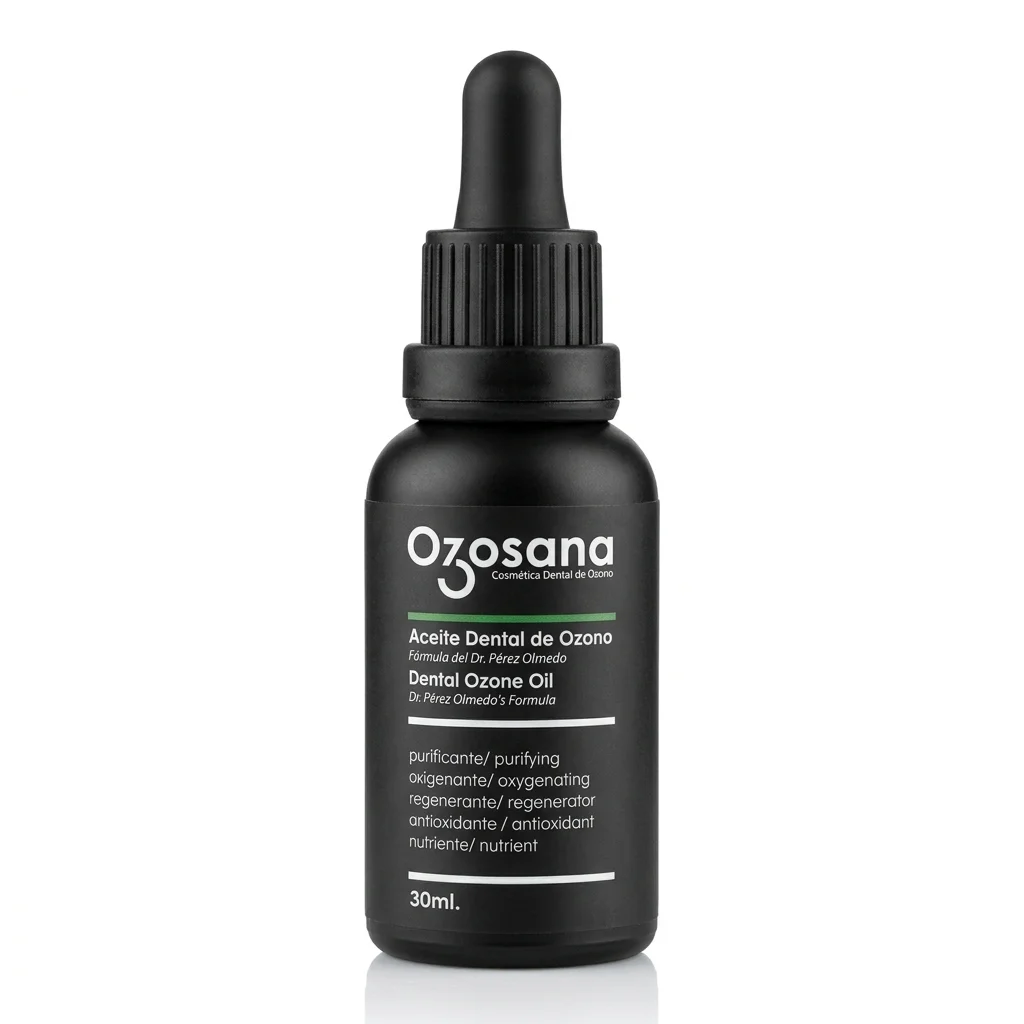
How to use Ozosana Dental Oil for halitosis
- Brushing: a few drops on the brush, twice a day
- Oil pulling: a teaspoon in your mouth for 10–20 minutes before morning brushing. Spit, do not swallow
- Brush the tongue too: gently, all the way to the back. That is where there are the most bacteria
- Consistency: results appear within 2–4 weeks of sustained use
If halitosis persists despite a careful routine, consult your dentist or doctor. There may be an underlying cause (active periodontitis, reflux, sinus infection) that needs targeted treatment.
Mentioned products