Ozonated creams: effective relief for rosacea
How ozonated oils help control rosacea: skin barrier, inflammation and the skin microbiome.
Rosacea is a chronic inflammatory condition of the facial skin that affects millions of people, especially women between 30 and 50. It shows up as persistent redness on the cheeks, nose, forehead and chin, visible small vessels (telangiectasias) and, in some cases, flare-ups with papules and pustules similar to acne. It has no definitive cure, but it is manageable.
Why is rosacea so hard to manage?
Three factors complicate it:
- The skin barrier is altered — the skin is more sensitive to products others tolerate without a problem.
- There is constant low-grade inflammation that flares up with triggers (sun, heat, alcohol, spicy food, stress).
- The skin microbiome is unbalanced. There is an overgrowth of Demodex mites and associated bacteria that perpetuate the inflammation.
Why ozonated oils help
Ozonated creams and oils act precisely on the three factors:
They calm inflammation. The ozonides generated during ozonization modulate the local inflammatory response. The skin de-inflames instead of getting worse.
They restore the skin barrier. The base vegetable oils (sunflower, olive) are rich in essential fatty acids that repair the hydrolipidic film. The skin stops "losing water" and recovers its ability to defend itself.
They balance the microbiome. Ozone's germicidal effect reduces the overgrowth of microorganisms associated with flare-ups, without destroying the rest of the normal flora.
No fragrances or alcohols. Unlike many conventional creams, Ozosana formulas carry no synthetic perfumes or alcohols that sting or trigger flare-ups on rosacea-prone skin.
How to add Ozosana to your routine if you have rosacea
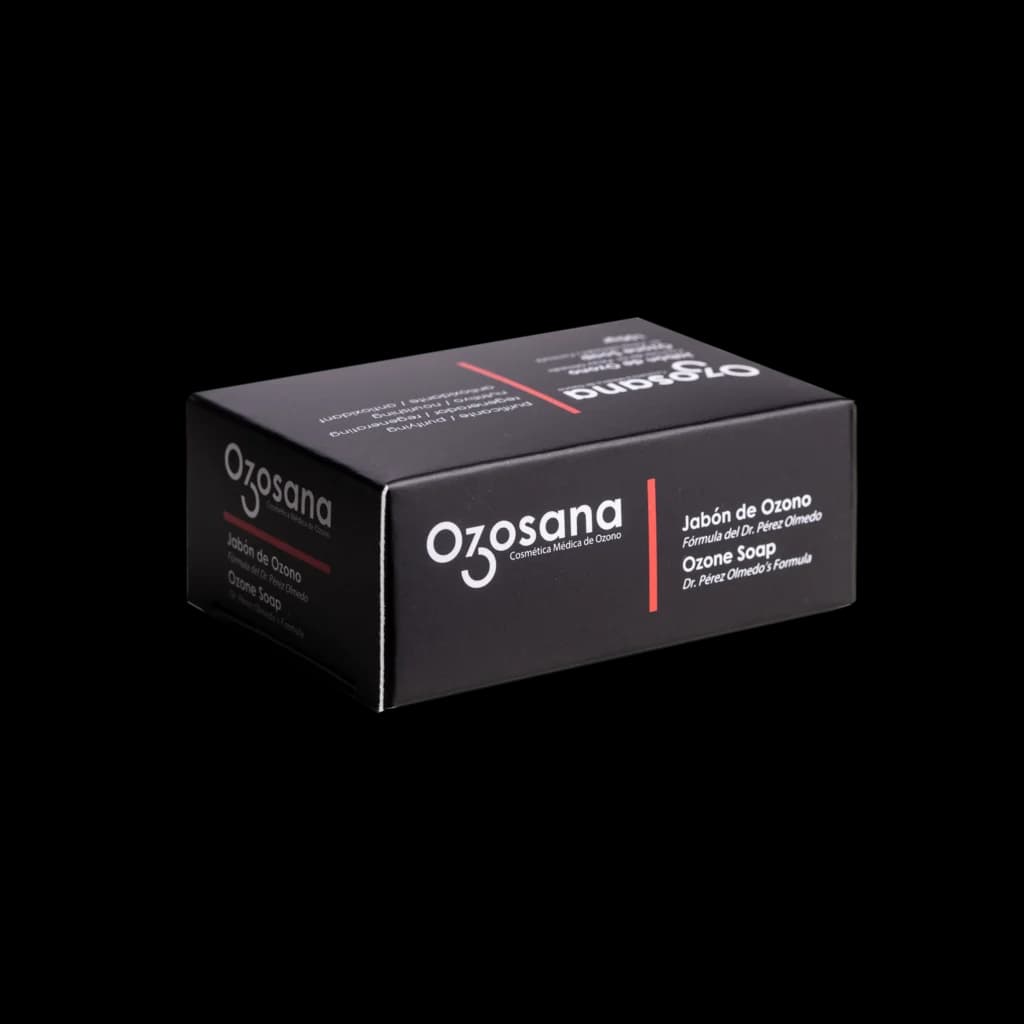
Gentle cleansing: wash with warm water (never hot — heat is a trigger) and Ozosana Ozone Soap. Pat dry, without rubbing.
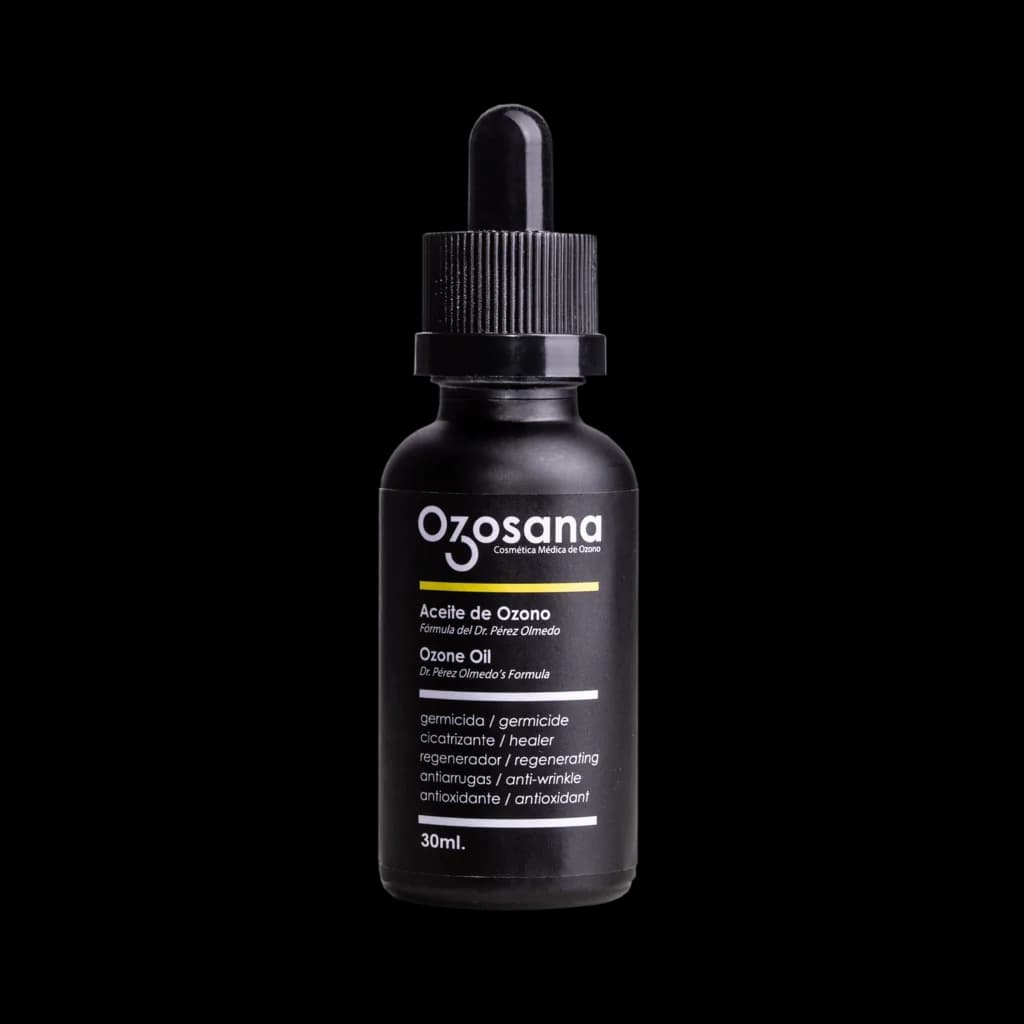
Spot active: apply a few drops of Ozone Oil to the most reactive areas (cheeks, nose). Massage very gently.
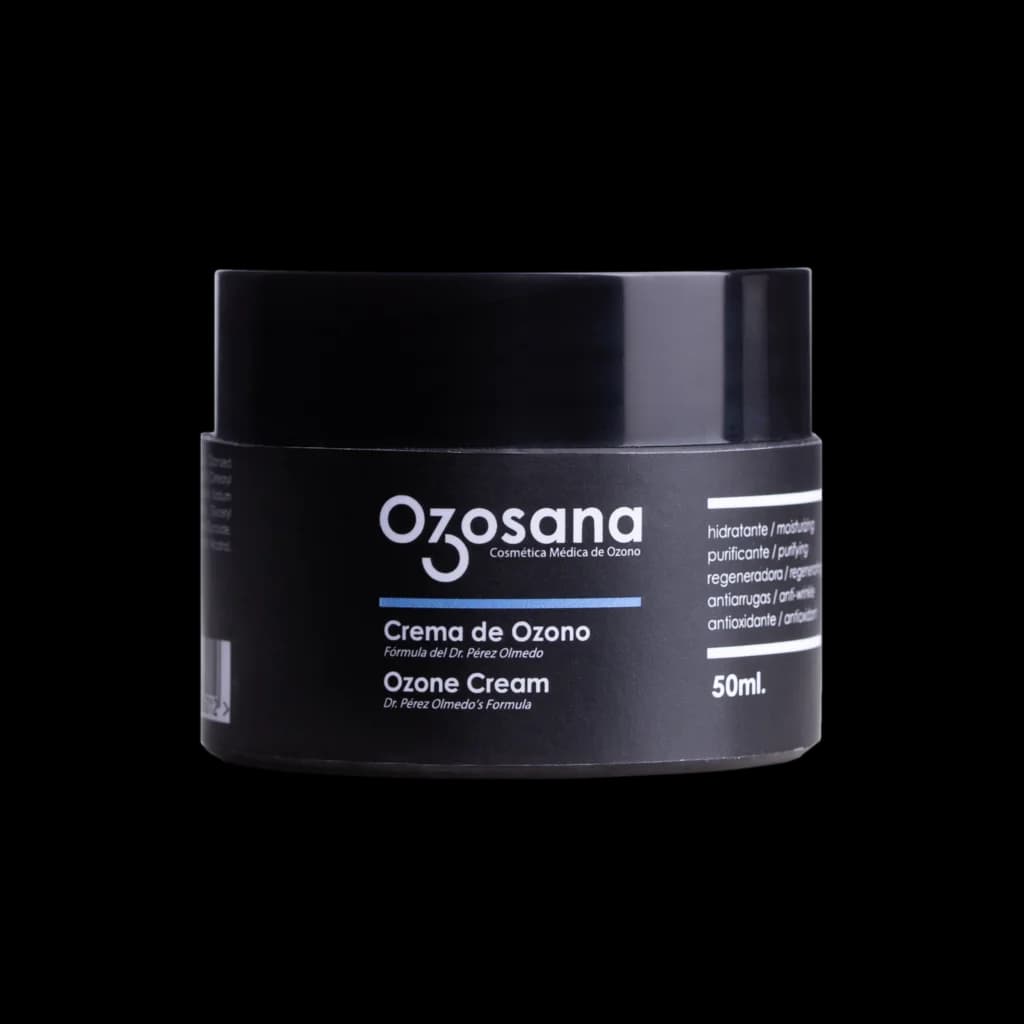
Maintenance hydration: follow with Ozone Cream over the whole face. The cream contains hyaluronic acid, aloe and vitamin E that boost repair.
Daily sun protection: this step is non-negotiable on rosacea-prone skin. Use a broad-spectrum mineral sunscreen every day, rain or shine.
Consistency: stable results appear within 4–8 weeks of sustained use.
What it does not do
Ozonated products do not cure rosacea — they control it. If your rosacea is severe, papulopustular or involves the eyes, you will need dermatological support (topical or systemic medication). Talk to your doctor before changing your routine.
Clinical tip
Before applying any new product on rosacea-prone skin, do a tolerance test: a small amount behind the ear or on the neck for 48 hours. If there is no reaction, you can take it to the face.
Rosacea is one of those conditions where consistency and gentleness beat intensity. Skin that needs repair needs stability, not aggression.
Mentioned products