
Acne: how ozone acts on three of its four causes
A complete routine for acne-prone skin with Ozosana products: cleansing, spot treatment and hydration without clogging.
Acne is the most common dermatological condition in the world: it affects more than 80% of people at some point in life, and not only in adolescence. Adult acne —especially hormonal acne in women between 25 and 45— is increasingly frequent. The good news: your skin knows how to regulate itself, and ozonated oils offer a powerful option to support that process without the typical side effects of aggressive treatments.
What causes acne?
Four factors work together:
- Excess sebum produced by the sebaceous glands (influenced by hormones, stress and diet)
- Follicular hyperkeratinization: dead cells do not shed properly and clog the follicle
- Overgrowth of Cutibacterium acnes: the bacterium that thrives in clogged follicles
- Local inflammation: the immune system responds and papules, pustules or cysts appear
Treating only one of the four usually gives partial results. Ozone's strength is that it acts on three of the four factors at once.
How ozone acts on acne-prone skin
Germicidal action on C. acnes
Ozone is one of nature's fastest antimicrobials. It attacks the acne bacterium on first contact, without developing resistance as happens with topical antibiotics used over long periods.
Modulation of inflammation
Inflammatory breakouts (red papules, pustules) calm down sooner. Ozone favors endogenous anti-inflammatory molecules — the skin stops overreacting.
Sebum regulation and oxygenation
By oxygenating the follicle, it changes the environment that anaerobic bacteria need to proliferate. It is like opening a window in a closed room.
What ozone does not do on its own
It does not directly regulate hormones. If your acne is severely hormonal, ozone helps a lot with inflammation and bacterial load, but the underlying cause needs medical support (oral contraceptives, spironolactone, isotretinoin depending on the case).
Suggested routine with Ozosana products
Morning
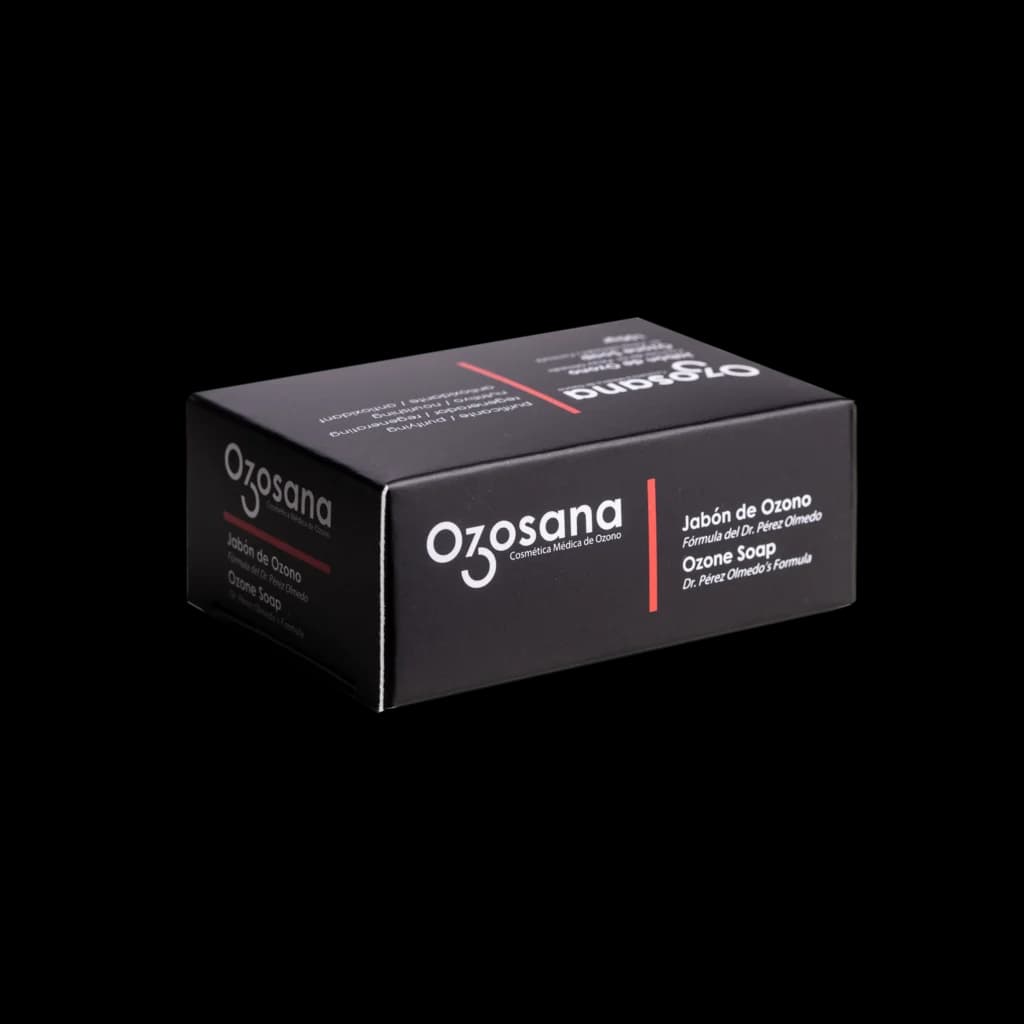
- Cleanse with Ozosana Ozone Soap: wash your face with warm water, lather with your hands, massage 30 seconds, rinse. Do not scrub hard.
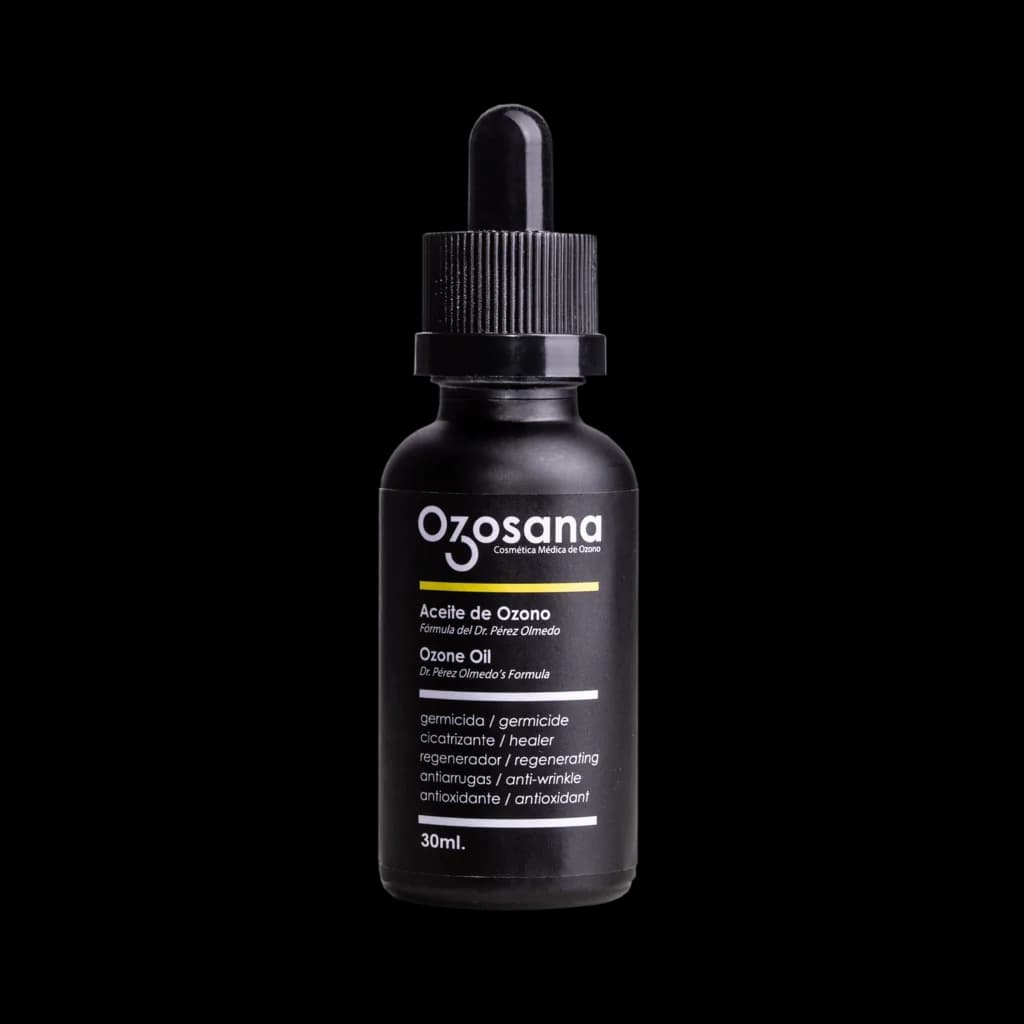
- Ozone Oil on active areas: one drop on each breakout or inflamed area. Only where you need it.
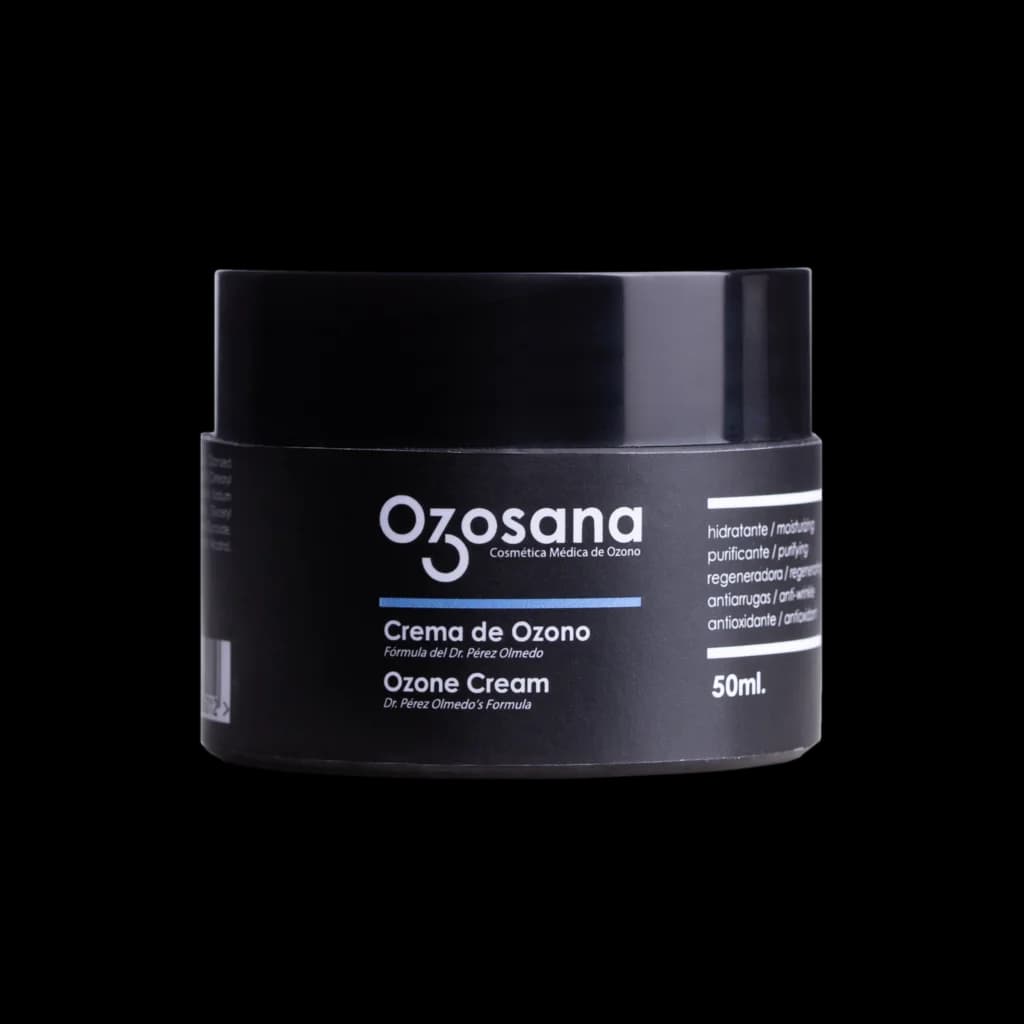
- Light Ozone Cream over the whole face: hydrates without clogging the pore. Acne-prone skin needs hydration, not dryness.
- Oil-free sunscreen: non-negotiable. Many acne treatments increase sun sensitivity.
Night
- Double cleanse if you used makeup or heavy sunscreen: first a gentle cleansing oil, then Ozone Soap.
- Ozone Oil on active breakouts.
- Ozone Cream all over.
What you will notice (and when)
- Week 1: fewer new papules, existing breakouts calm sooner
- Weeks 2-3: less overall redness, post-inflammatory marks fade
- Weeks 4-6: skin looks more stable, breakouts are more sporadic
- Months 2-3: better overall texture, fewer new scars
Common mistakes that sabotage results
- Washing too much: it attacks the skin barrier and the skin produces more sebum in response. Twice a day is fine.
- Popping pimples: it guarantees post-inflammatory marks and sometimes real scars. Do not do it.
- Switching products every week: the skin needs at least 4 weeks to respond to a routine. Give it time.
- Forgetting sunscreen: all your work is lost if you expose the skin without protection.
When to see a dermatologist
- Deep, painful cysts
- Nodular or conglobata acne
- Scars that are forming
- Any severe acne that affects your self-esteem or social life
Ozone care complements the dermatological plan; it does not replace it when the case calls for targeted medication.
Mentioned products