
Dry-season skin, rainy-season skin
How your skin changes with Costa Rica's climate and how to adapt your routine with Ozosana products.
Costa Rica does not have four seasons, but it does have two distinct climates: the dry season (December to April) and the rainy season (May to November). Those changes in humidity and radiation do affect the skin — though differently than in a country with traditional winter and spring.
How your skin changes with the climate
In the dry season (the "windy" months)
- Accelerated moisture loss: wind and low ambient humidity pull water out of the skin
- Higher UV radiation: fewer clouds, more direct sun
- Tendency toward dehydration with an oily feel: the skin produces more sebum trying to compensate, but underneath it is dehydrated
- More visible expression lines: dehydrated skin accentuates fine creases
In the rainy season
- High ambient humidity: the skin seems to "work less," but sustained sweat plus trapped moisture favors breakouts
- UV radiation still significant: clouds filter visible light but not UV
- Tendency toward sensitization from moisture: irritant dermatitis, fungus in folds
- Challenged microbiome: the skin needs help to maintain balance
Routine adapted with Ozosana products
Daily cleansing
Use Ozosana Ozone Soap morning and night. It is gentle for daily use and maintains the balance of the skin flora without drying it out. In the rainy season, add an extra cleanse after exercise to keep sweat salts from settling.
Deep hydration
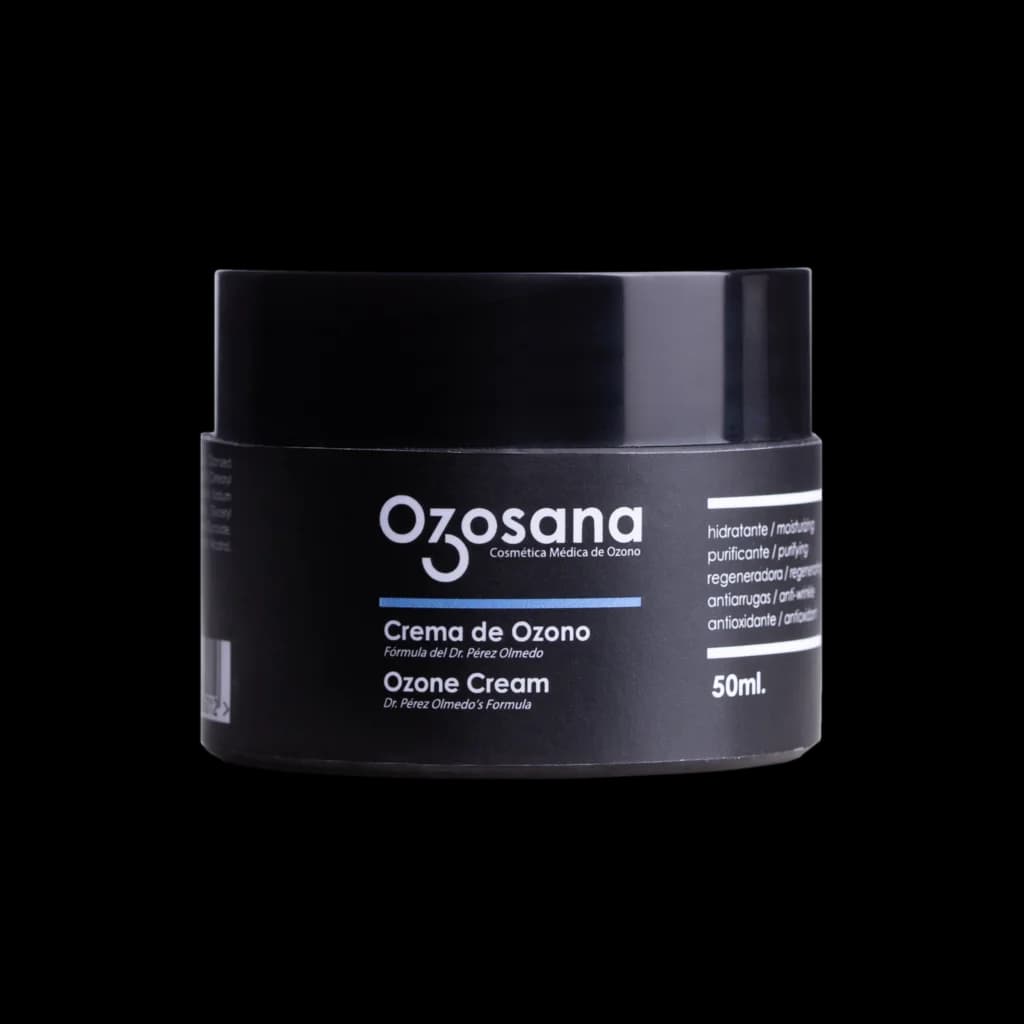
The Ozone Cream contains hyaluronic acid, aloe and vitamin E — it combines hydration with regeneration. In the dry season, apply generously morning and night. In the rainy season, a thin layer is enough to maintain the barrier without feeling heavy.
Spot treatment
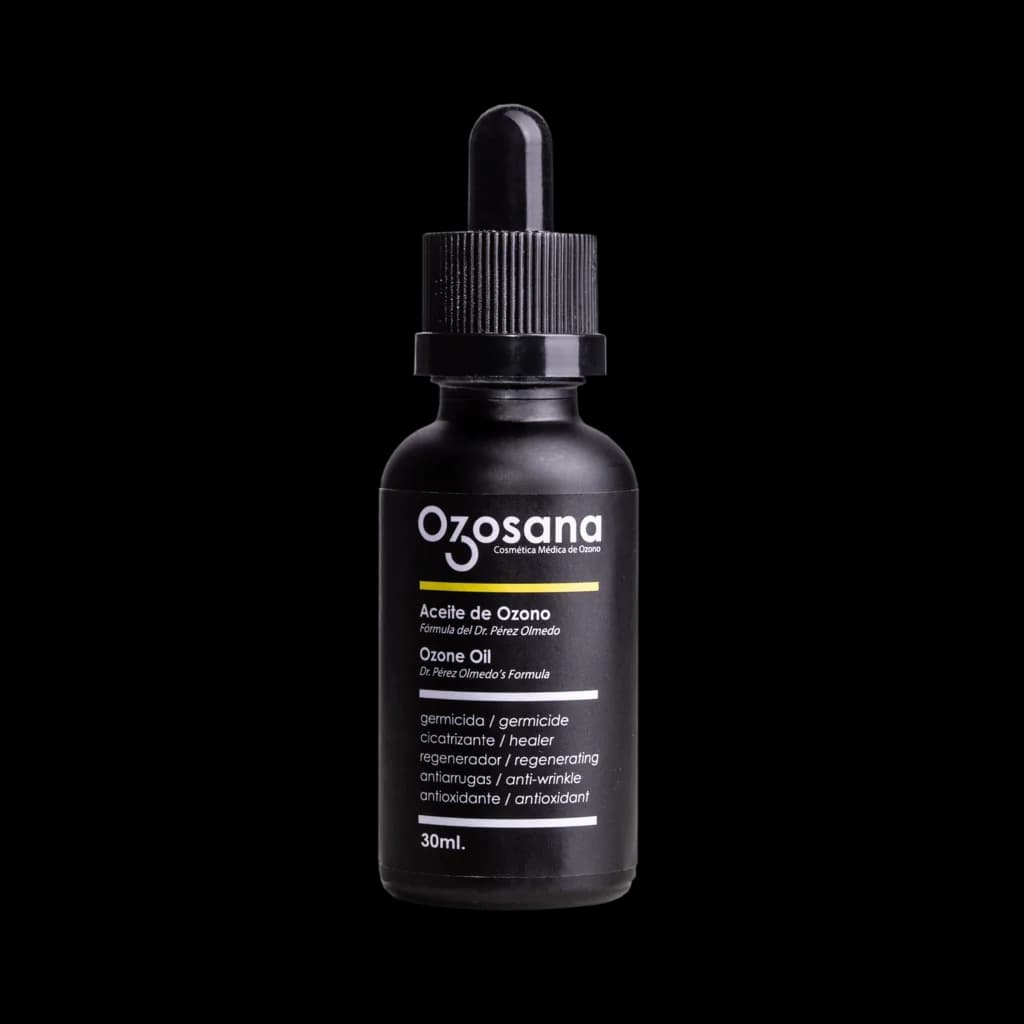
For reactive areas (cheeks, the bridge of the nose, around the mouth, hands in people who wash them a lot), a few drops of Ozone Oil before the cream. It is the tool for critical spots.
Sun protection
Non-negotiable in any season in Costa Rica. Apply broad-spectrum sunscreen every morning, even if it is cloudy. Ozone oil and cream protect against free radicals but are not sunscreens — they are complementary routines.
Cell renewal when the season changes
When the climate turns (typically May and November), your skin rebalances. It is a good time to:
- Intensify the routine for 2–3 weeks to support the adjustment
- Moisturize more than usual while the skin "learns" the new climate
- Avoid harsh products (strong acids, intense exfoliation) during the transition
- Observe how it responds — every skin adapts at a different pace
Consistency beats volume
It is not about applying a lot of product when you notice a problem; it is about applying the right thing, every day. The biological reset works with time and consistency, not with large occasional doses.
Mentioned products