
Atopic dermatitis and ozone: what the evidence says
Clinical studies on topical ozone in atopic dermatitis: bactericidal effect on S. aureus and inflammatory modulation.
Atopic dermatitis (AD) is a chronic inflammatory skin disease that affects up to 20% of children and 10% of adults worldwide. Its characteristic symptoms —intense itching, red lesions, extreme dryness, skin barrier damage— bring consequences that go beyond the dermatological: sleep disorders, anxiety, social withdrawal and depression are well documented in those who suffer from it.
Why ozone is being investigated
The bacterium Staphylococcus aureus is responsible for up to 90% of the microbiome in active atopic dermatitis lesions. Its overgrowth contributes to flare-ups and worsens the disease's prognosis.
Ozone has shown promising results in managing AD for two complementary reasons:
Specific bactericidal effect on S. aureus. Ozone attacks the bacterial membrane on first contact, without developing resistance as happens with many topical antibiotics.
Biomodulating effect. Beyond killing bacteria, ozone modulates the local inflammatory response: it reduces pro-inflammatory cytokines and favors endogenous anti-inflammatory molecules.
Clinical evidence
The study by Zeng and colleagues (2020) evaluated the effects of topical ozone therapy on microbiome diversity in AD lesions and explored microorganisms associated with disease progression.
Notable results after three days of topical application:
- Significant decrease in SCORAD scores (the standard scale for measuring atopic dermatitis severity)
- Reduced infiltration of inflammatory cells in the lesions
- Partial restoration of skin microbial diversity
- A shift in the Staphylococcus / Acinetobacter ratio toward a healthier profile
The authors concluded that topical ozone therapy is effective as an adjuvant in managing atopic dermatitis.
How to incorporate Ozosana if you have AD
Important: the following does NOT replace the dermatological treatment of your AD. If you are on a regimen with corticosteroids, calcineurin inhibitors or systemic treatment, talk to your dermatologist before modifying the routine.
Ultra-gentle cleansing
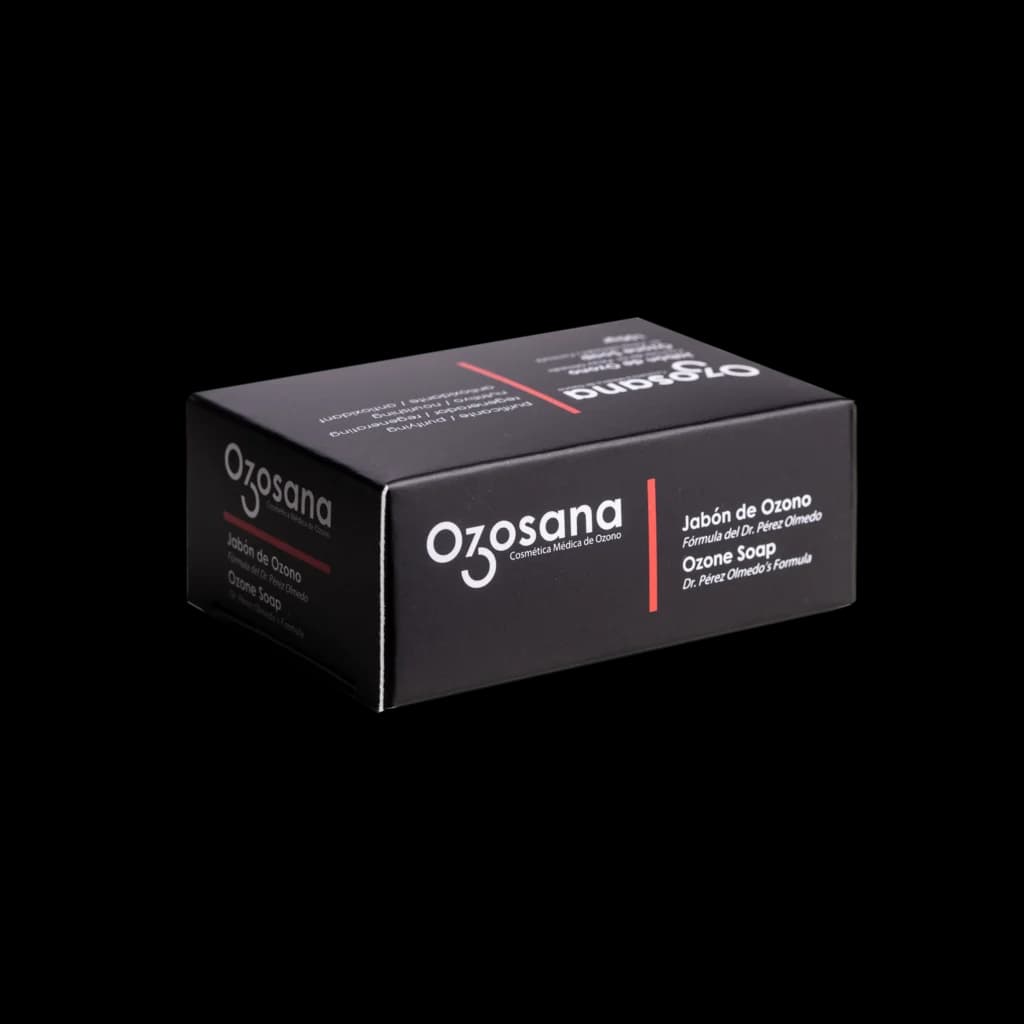
Ozosana Ozone Soap with warm water (never hot — heat worsens the itch). Without rubbing, pat dry with a soft towel.
Spot treatment on flare-ups
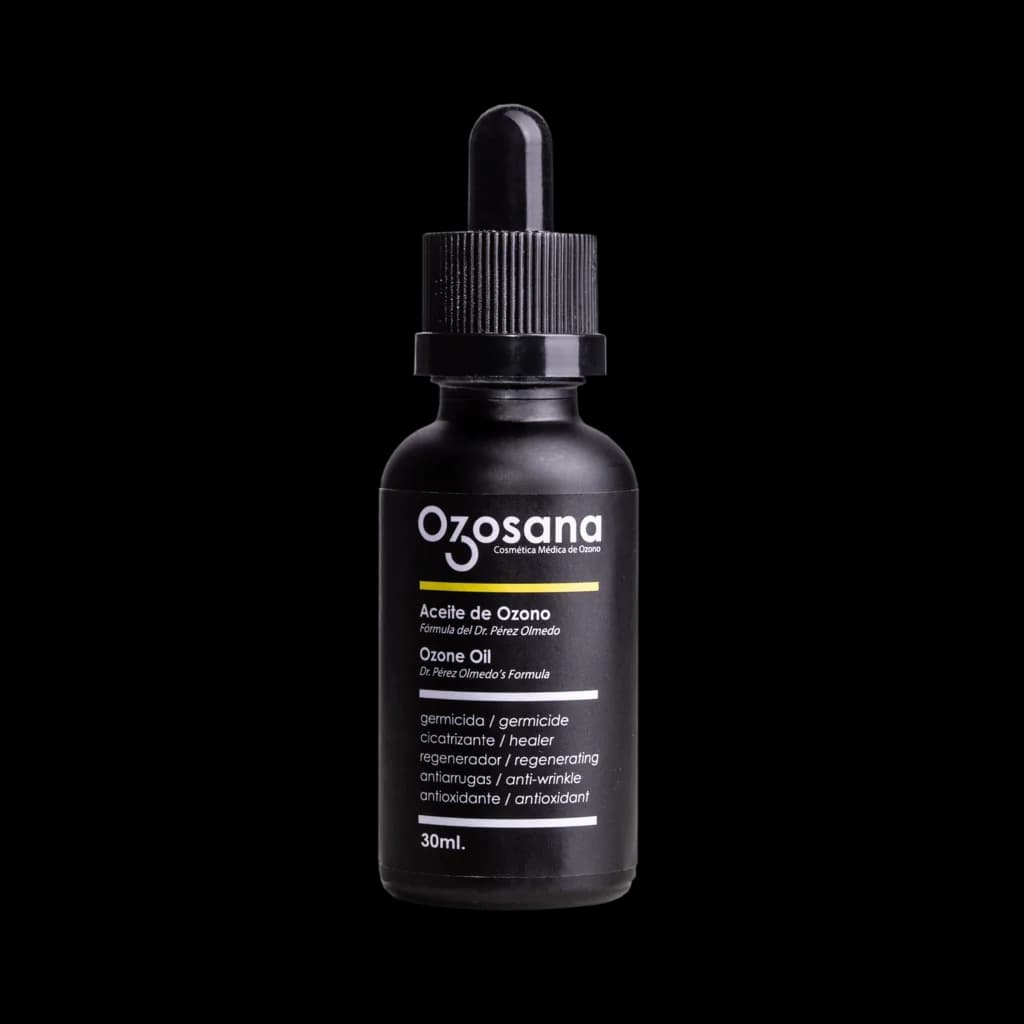
On active lesions, a thin layer of Ozone Oil two to three times a day. If the lesion is in folds (elbows, knees, neck), make sure the area is dry before applying.
Maintenance hydration
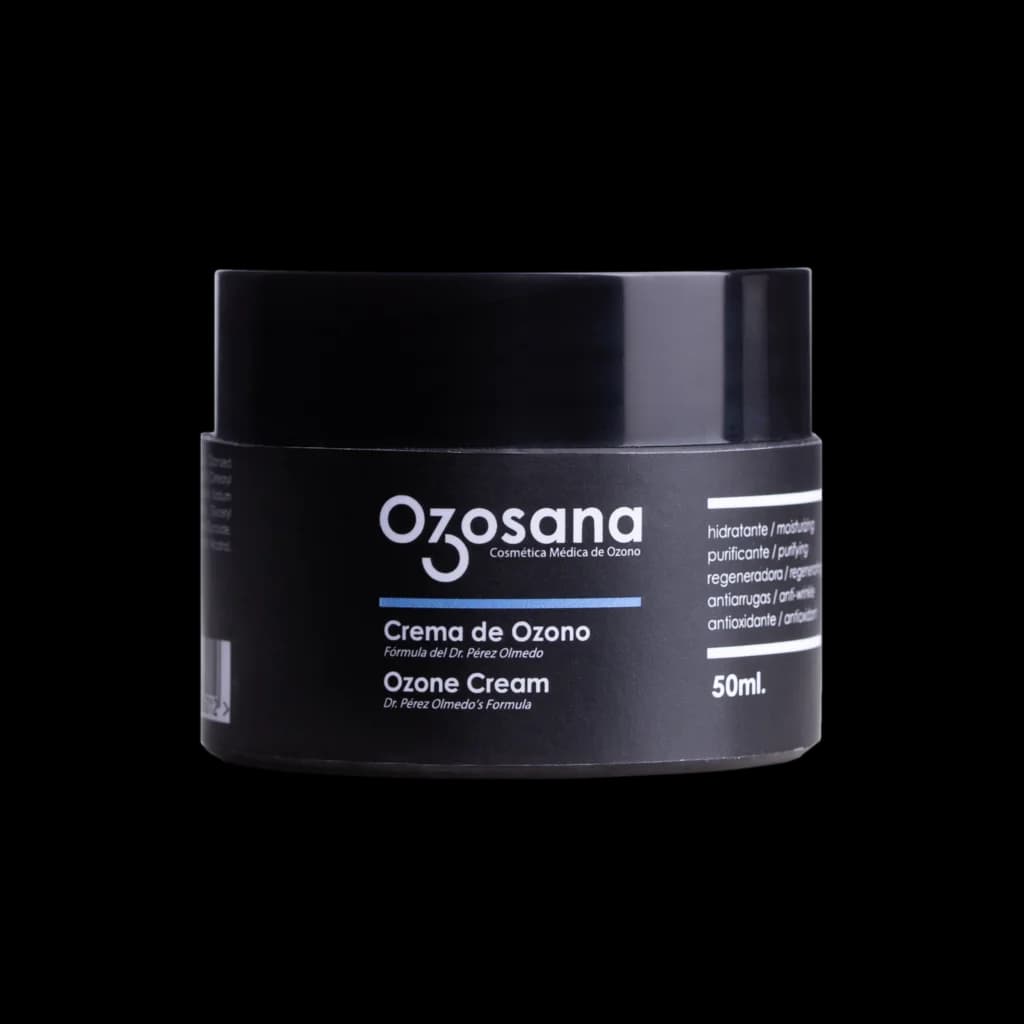
Ozone Cream over all affected skin at least once a day. The skin barrier in AD is chronically compromised — constant hydration is the foundation of long-term control.
Consistency
Unlike an acute flare-up, AD calls for a sustained routine. Stable results appear within 4–8 weeks of daily use. Do not expect a product to solve in a day something your skin has been managing for months.
When to seek a dermatologist
- Acute flare-up with rapid spread or visible superinfection (pus, yellow crusts)
- Persistent sleep disruption from itching
- Lesions that do not improve despite a careful routine
- Any new systemic symptom (fever, malaise)
Topical ozone care adds to a comprehensive plan; it does not replace it.
Mentioned products